The Real Cost of Moving Money: What Gas Fees Actually Pay For and How to Keep More of Every Trade
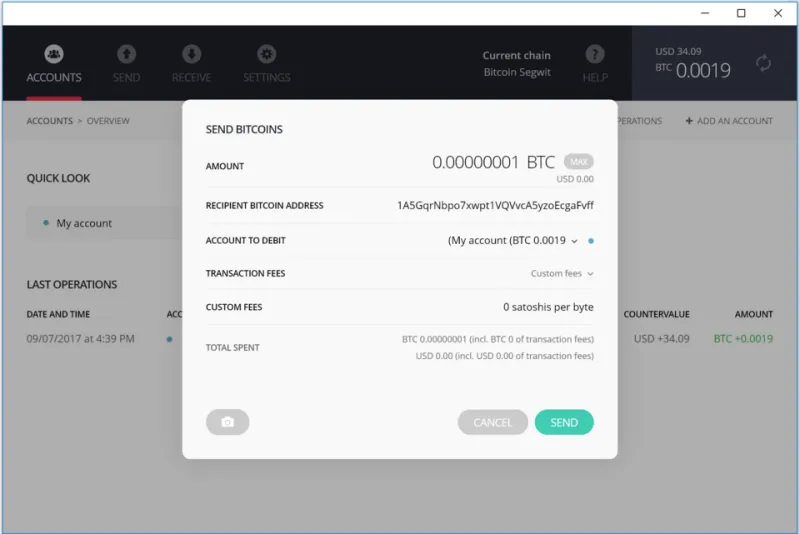
Photo: FlippyFlink, CC BY-SA 4.0, via Wikimedia Commons
If you've ever watched a $50 trade shrink by $18 before it even executed, you've met the gas fee. It's the toll booth of public blockchains — and like most toll roads, some routes are simply cheaper than others. Understanding where your money goes is the first step toward keeping more of it.
What You're Actually Buying When You Pay Gas
Gas is the unit that measures computational work on a blockchain. Every operation — moving tokens, interacting with a smart contract, minting an NFT — requires the network's validators to expend real resources. Gas fees compensate them for that work and, critically, prevent spam by making every action cost something.
On Ethereum, fees are denominated in gwei, a tiny fraction of ETH. The total you pay is a function of two things: the complexity of your transaction and how congested the network is at that moment. The first factor is fixed. The second is entirely within your control.
Why Fees Spike at the Worst Times
Network congestion follows human behavior. When a hot NFT collection drops, when a volatile market triggers a wave of liquidations, or when U.S. traders pile in during East Coast evening hours, demand for block space surges — and fees rise with it, since users effectively bid against one another for priority.
The result is a fee curve that can swing 10x within a single day. The same swap that costs $1.40 at 4 a.m. ET might run $15 during peak U.S. trading hours. Unlike a stock exchange with flat commissions, blockchains run a live auction every twelve seconds.
Networks Are Not Created Equal
Ethereum's mainnet offers maximum security and liquidity — at a premium. Meanwhile, a growing roster of alternatives delivers similar functionality for pennies:
- Layer 2 rollups such as Arbitrum, Base, and Optimism settle to Ethereum but batch hundreds of transactions together, cutting per-trade costs by 90% or more.
- Alternative Layer 1s like Solana process transactions for fractions of a cent, though they make different security and decentralization trade-offs.
- Low-fee sidechains offer speed and simplicity, with their own trust assumptions.
For most everyday activity — swaps, stablecoin transfers, small positions — a Layer 2 is increasingly the rational default for U.S. users. The deep liquidity of Ethereum is one bridge away, and the savings compound quickly.
A Field Guide to Paying Less
Before you hit confirm, run through this checklist:
- Check the meter first. Tools like Etherscan's Gas Tracker or L2Fees.info show live costs across networks. Thirty seconds of checking can save you 90%.
- Trade off-peak. Weekends and early morning ET hours (roughly 2–6 a.m.) typically see the lightest congestion. Your limit order doesn't care what time it fills.
- Batch your activity. Instead of five small transfers, consolidate into one. Each transaction carries a fixed overhead — fewer transactions, fewer fees.
- Use Layer 2s for routine moves. Keep mainnet for large, security-sensitive transactions where the fee is a rounding error.
- Set your own gas limit. Most wallets let you adjust priority fees manually. During quiet periods, a modest bid still gets you included promptly.
- Watch for fee-subsidy periods. Newer Layer 2s occasionally sponsor transaction costs during onboarding campaigns — free money if you're moving anyway.
The Bottom Line
Gas fees aren't a bug; they're the price of running a decentralized settlement layer that no single company controls. But paying 20x the going rate out of habit or ignorance is a choice, not an obligation. Check the network, check the clock, and confirm only when the math makes sense. In a market measured in basis points, fee discipline isn't a nicety — it's edge.